963 Hz: the crown frequency

963 Hz is the highest of the nine solfeggio frequencies, known as the crown or higher-self tone. It's traditionally linked to spiritual connection, a sense of oneness and the crown chakra. People play it for deep meditation and stillness. Play 963 Hz free below and set Auto-stop; no app or account needed.

25%
Nothing playing

What is 963 Hz used for?
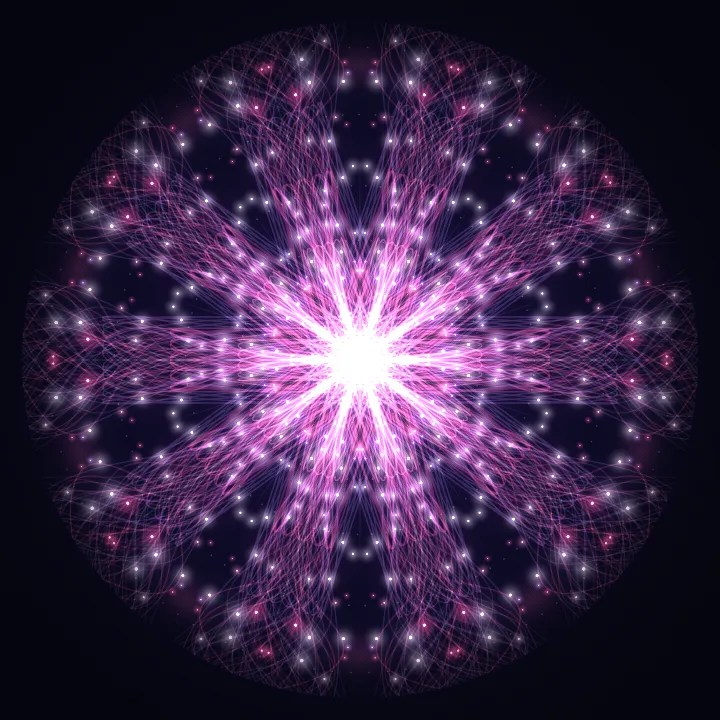
Kaleidoscope artwork generated from the 963 Hz Higher Self frequency
963 Hz frequency, visualized. Every SleepHz artwork is generated from the frequency itself: its number sets the symmetry and the pattern.

963 Hz is used for spiritual meditation: stillness, prayer, or feeling connected to something larger than yourself. In chakra traditions it's linked to the crown, at the top of the head.

Where does 963 Hz come from?

963 Hz isn't one of the six tones linked to the hymn Ut queant laxis. It was added later, with 174 Hz and 285 Hz, to complete a nine-tone scale, and sits at the very top of it.

How to listen to 963 Hz

  1. Use a low, comfortable volume. A soft tone is easier to settle into than a loud one.
  2. Sit or lie down and slow your breathing to about six breaths a minute.
  3. Set Auto-stop for 10 minutes.
  4. Keep the volume especially low; high tones can feel sharp if they're loud.

963 Hz vs 852 Hz

852 Hz is linked to intuition and the third eye; 963 Hz to the crown and oneness. Together they make a short closing sequence for a full solfeggio session.

Get the full SleepHz library

Hour-long frequency tracks, layered sleep soundscapes and the SleepHz app. Join the list and be first to hear.

No spam. Unsubscribe any time. By joining you agree to our Privacy Policy and Terms.

963 Hz FAQ

What chakra is 963 Hz?

It's traditionally linked to the crown chakra, associated with spiritual connection.

Is 963 Hz good for sleep?

It's a high tone, so most people prefer it for meditation. For sleep, try 174 Hz or the 2 Hz Deep Sleep beat.

Is 963 Hz the God frequency?

Some people call it that because of its link to spiritual connection. It's a traditional nickname, not a scientific term.